
What is Seedance 2.0? Unpacking the Next Generation of AI Video Synthesis
In the rapidly evolving world of artificial intelligence, keeping up with the latest tools can feel like a full-time job. Just as we accustomed ourselves to the capabilities of models like Sora and Runway Gen-3, a new contender has entered the arena, promising to solve the biggest pain points of current video generation technology. That contender is Seedance 2.0.
But what exactly is Seedance 2.0, and why is the tech community buzzing about it? Is it just another text-to-video generator, or does it offer something fundamentally different? In this article, we will break down the architecture, features, and practical applications of this groundbreaking model.
The Shift from Generation to Direction
To understand what Seedance 2.0 is, we first need to look at what came before it. Most early AI video models operated like a "black box." You typed a prompt, waited, and hoped for the best. If the result wasn't what you wanted, you had to reroll the dice.
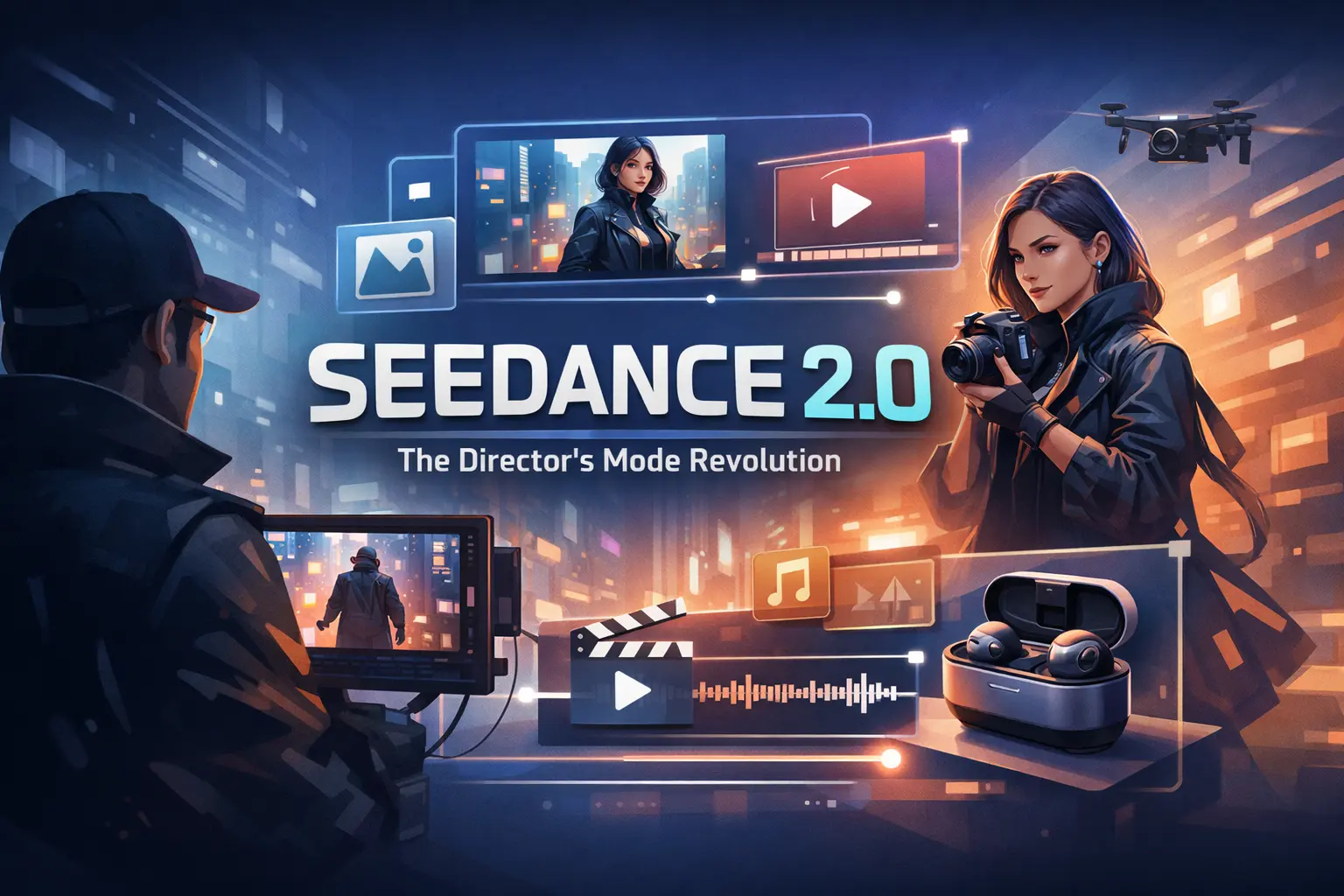
Seedance 2.0 represents a paradigm shift from random generation to precise direction. Developed with a focus on professional workflows, it is an advanced video diffusion model designed to offer granular control over the output. It doesn't just hallucinate scenes; it constructs them based on complex, multimodal instructions.
At its core, Seedance 2.0 is built to understand not just language, but the physical properties of the visual world—lighting, depth, and temporal consistency.
Key Features That Define Seedance 2.0
What makes this model stand out in a crowded market? The differentiation lies in three core pillars: Multimodality, Consistency, and Fidelity.
1. The Unified Multimodal Input System
The defining feature of Seedance 2.0 is its ability to process multiple types of input simultaneously. While most models struggle with more than one reference image, Seedance 2.0 utilizes a "Unified Multimodal" architecture.
This means users can feed the model a complex combination of inputs—up to 12 distinct files—including:
- Target Images: To set the exact visual style or character look.
- Depth Maps: To control the 3D structure of the scene.
- Motion Vectors: To dictate exactly how an object moves across the screen.
By combining these inputs, creators can achieve a level of specificity that text prompts alone simply cannot provide.
2. Solving the Identity Consistency Problem
For storytellers, the "Holy Grail" of AI video is character consistency. How do you keep the same actor looking like themselves across ten different scenes?
Seedance 2.0 integrates a proprietary attention mechanism that locks onto the subject's key features. Whether the camera zooms in, the lighting changes, or the character turns their head 180 degrees, the model maintains the subject's identity. This feature alone transforms the tool from a novelty into a viable engine for narrative filmmaking and brand storytelling.
3. Native 2K Resolution and High Frame Rates
In the past, AI video often looked blurry or "dreamlike." Seedance 2.0 pushes the envelope with native 2K resolution generation at high frame rates. The result is footage that is sharp, fluid, and devoid of the jittery artifacts that plagued earlier models. This high fidelity makes the output suitable for upscaling to 4K for professional broadcast or streaming use.
Real-World Applications
So, who is Seedance 2.0 actually for? The use cases are expanding rapidly as early adopters get their hands on the technology.
- Advertising & E-Commerce: Brands can now animate static product photos into dynamic lifestyle videos without organizing expensive location shoots.
- Pre-visualization: Directors and cinematographers are using it to create "living storyboards," visualizing complex camera moves before arriving on set.
- Social Media Content: Creators are producing high-retention short-form content that blends reality with impossible visual effects, driving engagement with unique aesthetics.
Accessing the Technology
One of the most significant aspects of the Seedance 2.0 launch is its approach to accessibility. Unlike some research models that remain locked behind closed doors for months, there is a push to get this technology into the hands of creators to see what they can build.
The platform has been designed with a user-friendly interface that abstracts the complex code into intuitive controls. If you are interested in testing the limits of this new engine, you can explore the capabilities of seedance 2.0 directly. This portal allows users to experiment with the multimodal inputs and experience the speed and quality of the generation firsthand. It is currently one of the best ways to understand the practical difference between standard prompting and the "Director Mode" offered by this new architecture.
Conclusion: The Future is Multimodal
Seedance 2.0 is more than just a software update; it is a glimpse into the future of content creation. By solving the issues of consistency and control, it bridges the gap between AI experimentation and professional production.
As we look ahead, tools like Seedance 2.0 will likely become standard fixtures in the creative suite, sitting alongside editing software and color grading tools. For creators, the message is clear: the era of precise AI video direction has arrived. The only limit now is your imagination.